Smart Questions to Ask Before Screening Your Patio
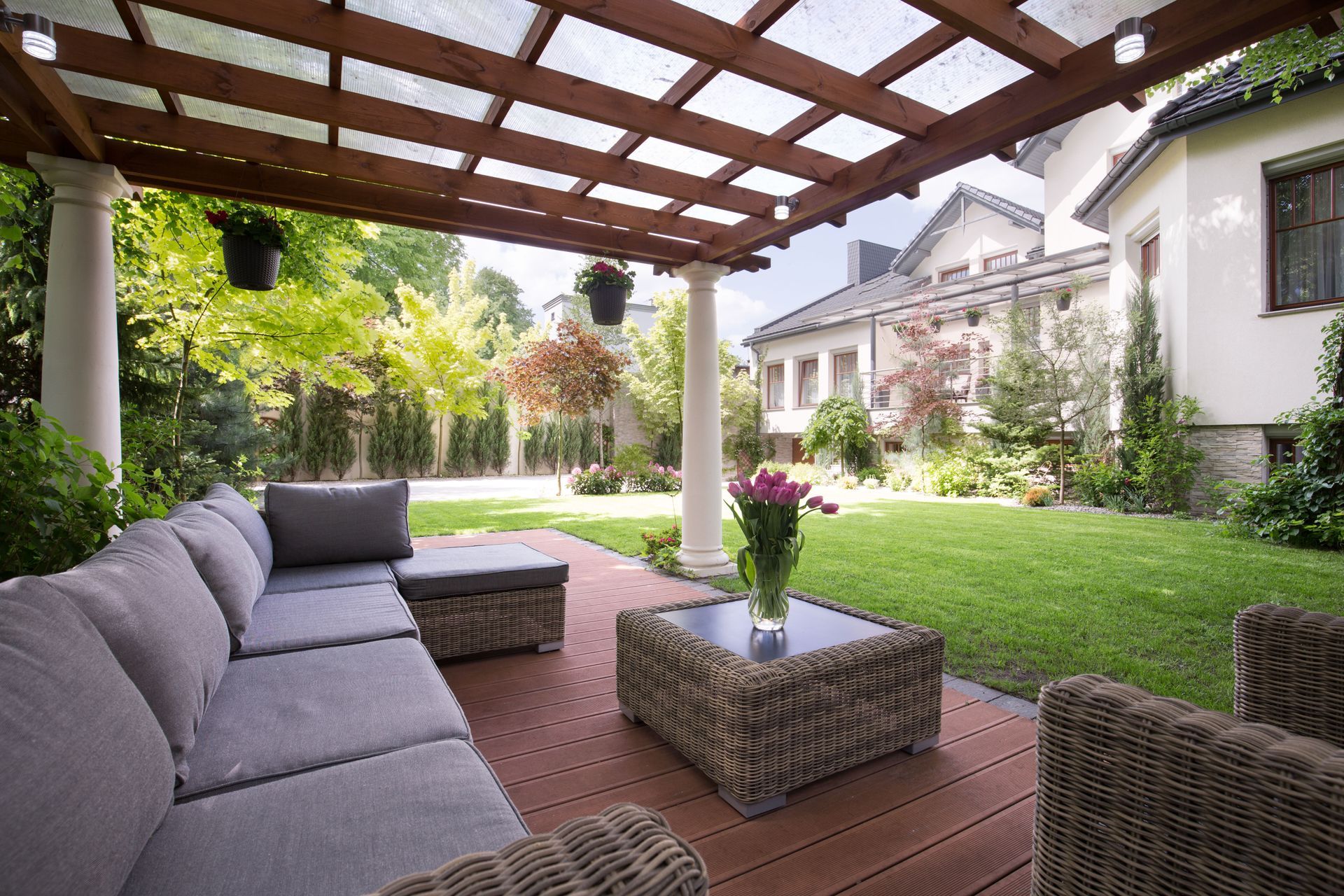
A patio can be one of the most enjoyable areas of a home, offering a place to relax, entertain guests, and spend time outdoors. However, many homeowners find that insects, harsh sunlight, debris, and unpredictable weather can limit how often they use this valuable space. Installing screen enclosures is a popular solution that helps create a more comfortable outdoor environment while maintaining a connection to nature.
Before moving forward with a patio screening project, it is important to ask several key questions. Understanding the benefits, materials, maintenance requirements, local regulations, and installation considerations can help ensure that your investment delivers long-term value. By taking the time to evaluate your options, you can create an outdoor living area that complements your lifestyle and enhances your property's appeal.
What Are the Benefits of Screen Enclosures?
One of the first questions homeowners should ask is whether screen enclosures are the right fit for their needs. Understanding the advantages can help determine if the investment aligns with your goals for your outdoor space.
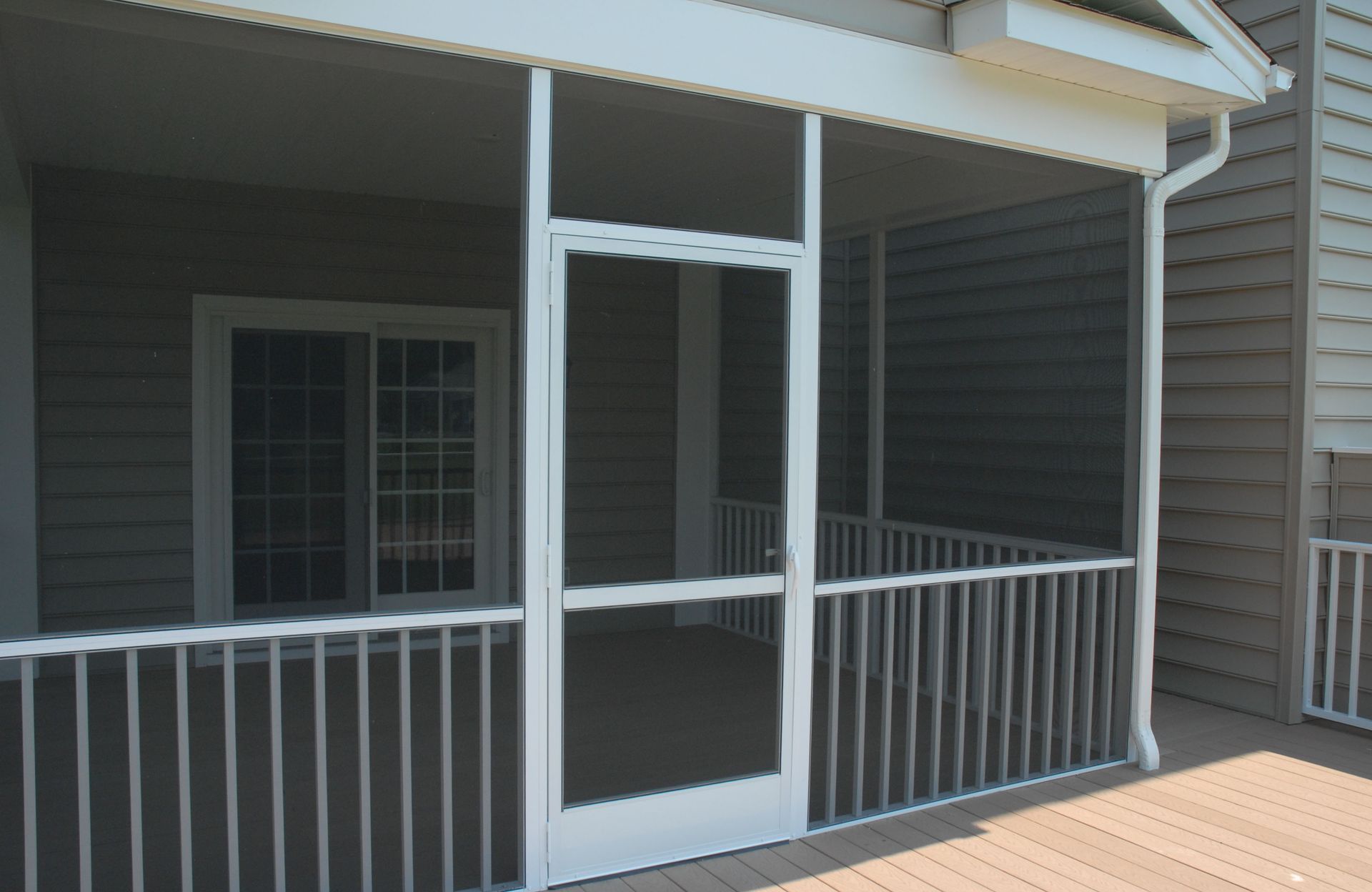
Perhaps the most obvious benefit is protection from insects. Mosquitoes, flies, and other pests can quickly turn a relaxing evening outdoors into an uncomfortable experience. Screen enclosures create a barrier that keeps many unwanted insects out while still allowing fresh air to circulate throughout the space.
Another significant advantage is protection from debris. Leaves, twigs, and airborne dirt can accumulate on patios, making them difficult to keep clean. A screened structure helps reduce the amount of debris that enters the area, allowing homeowners to spend less time cleaning and more time enjoying their outdoor spaces.
Many homeowners also appreciate the added privacy that screen enclosures can provide. While screens are not completely opaque, they can create a subtle visual barrier that makes outdoor areas feel more secluded and comfortable.
Weather protection is another important consideration. While screens do not completely shield a patio from the elements, they can help reduce exposure to wind-driven debris and moderate sunlight. This can make outdoor spaces more pleasant during various seasons.
In addition, screen enclosures may contribute to increased property appeal. Prospective buyers often value functional outdoor living spaces that extend the usable area of a home. A professionally designed enclosure can create an attractive feature that enhances overall curb appeal and usability.
What Type of Screen Material Should You Choose?
Once you've decided that screening your patio makes sense, the next question involves selecting the appropriate material. The material you choose will influence durability, appearance, maintenance needs, and overall cost.
Fiberglass screens are among the most popular options available today. They are lightweight, resistant to corrosion, and relatively easy to install. Fiberglass also offers good visibility and airflow, making it a practical choice for many residential applications.
Aluminum screens are another common option. They tend to be more durable than fiberglass and provide excellent resistance to wear and tear. Many homeowners choose aluminum when they want a stronger screen capable of withstanding more demanding conditions.
Specialty screens are also available for homeowners with unique needs. For example, pet-resistant screens feature stronger materials designed to withstand scratching and impact. Solar screens can help reduce heat gain and glare, creating a cooler environment beneath the enclosure.
Cost often plays an important role in the decision-making process. According to HomeGuide, aluminum and fiberglass screens are among the most affordable options available, while copper screens generally represent the most expensive choice. Understanding these cost differences can help homeowners balance performance, appearance, and budget when selecting materials for their screen enclosures.
Climate should also factor into your decision. Homes located in coastal regions may benefit from materials with enhanced corrosion resistance, while properties in heavily wooded areas may require stronger screens capable of handling falling debris and increased exposure to the elements.
How Much Maintenance Do Screen Enclosures Require?
Another important question involves ongoing maintenance. While screen enclosures are generally considered low-maintenance additions, they still require periodic care to remain attractive and functional.
Routine cleaning is one of the most common maintenance tasks. Dust, pollen, and environmental debris can accumulate on screens over time. Washing the screens periodically with mild soap and water can help preserve their appearance and maintain airflow.
Homeowners should also inspect screens regularly for tears, holes, or loose sections. Small issues can often be repaired quickly before they become larger and more expensive problems. Addressing minor damage promptly helps maintain the effectiveness of the enclosure.
The supporting structure also deserves attention. Depending on the material used, frames may need occasional cleaning and inspection. Aluminum frames typically require minimal maintenance, while other materials may need additional care to prevent deterioration.
Weather events can affect the condition of screen enclosures as well. High winds, heavy storms, and falling branches may cause damage that requires repair. Performing a visual inspection after severe weather can help identify any concerns early.
Landscaping can also influence maintenance requirements. Trees located near the patio may increase the amount of leaves and debris that accumulate on the enclosure. Trimming nearby branches can help minimize these issues and reduce potential damage.
Are There Any Local Regulations or Permits Needed?
Before beginning construction, it is wise to determine whether local regulations apply to your project. Building codes and permit requirements vary significantly between municipalities, making this an important step in the planning process.
Many communities have specific requirements regarding the size, location, and structural design of outdoor additions. Even relatively simple screen enclosures may require approval from local authorities before construction begins.
Homeowners' associations can also impose additional rules. Some associations regulate exterior modifications to maintain consistent neighborhood aesthetics. Reviewing community guidelines before starting a project can help avoid unexpected complications.
Permit requirements often exist to ensure safety and compliance with local building standards. Obtaining the necessary permits helps verify that the structure meets applicable codes and can prevent issues during future property transactions.
Failure to comply with regulations can lead to costly consequences. Homeowners may be required to modify or remove structures that were built without proper approval. Taking the time to research requirements beforehand can help prevent delays, fines, and frustration.
Professional contractors are often familiar with local permitting processes and can assist homeowners in navigating the necessary steps. Their experience can simplify the approval process and help ensure that the project proceeds smoothly.
What Should You Consider When Hiring a Professional to Install Your Screen Enclosure?
Choosing the right contractor can significantly impact the success of your project. While some homeowners may consider do-it-yourself options, professional installation often provides greater confidence in the quality and durability of the finished product.
Experience should be one of the first factors you evaluate. Contractors who regularly install screen enclosures are more likely to understand the challenges associated with different designs, materials, and site conditions.
Licensing and insurance are equally important. Verifying that a contractor carries appropriate credentials helps protect both the homeowner and the installer throughout the project.
References and reviews can provide valuable insight into a company's reputation. Speaking with previous clients or reviewing online feedback can help you assess customer satisfaction and workmanship quality.
It is also beneficial to request detailed estimates from multiple contractors. Comparing proposals allows homeowners to evaluate pricing, project scope, materials, and timelines. The lowest bid is not always the best option, especially if it involves lower-quality materials or limited warranties.
Communication is another critical factor. A reliable contractor should be willing to answer questions, explain recommendations, and provide updates throughout the project. Clear communication often contributes to a smoother and more positive experience.
Warranty coverage should not be overlooked. Reputable installers frequently stand behind their work and may offer warranties on both materials and labor. Understanding the terms of these warranties can provide additional peace of mind.
Screening your patio is an excellent way to improve comfort, functionality, and enjoyment of your outdoor living space. By asking thoughtful questions about benefits, materials, maintenance, regulations, and installation professionals, you can make informed decisions throughout the process. Careful planning helps ensure that your
screen enclosures meet your expectations, complement your home, and provide years of outdoor enjoyment for you and your family. If you're looking for a screened patio, reach out to Advanced Screening Solutions, LLC today!
Share On: